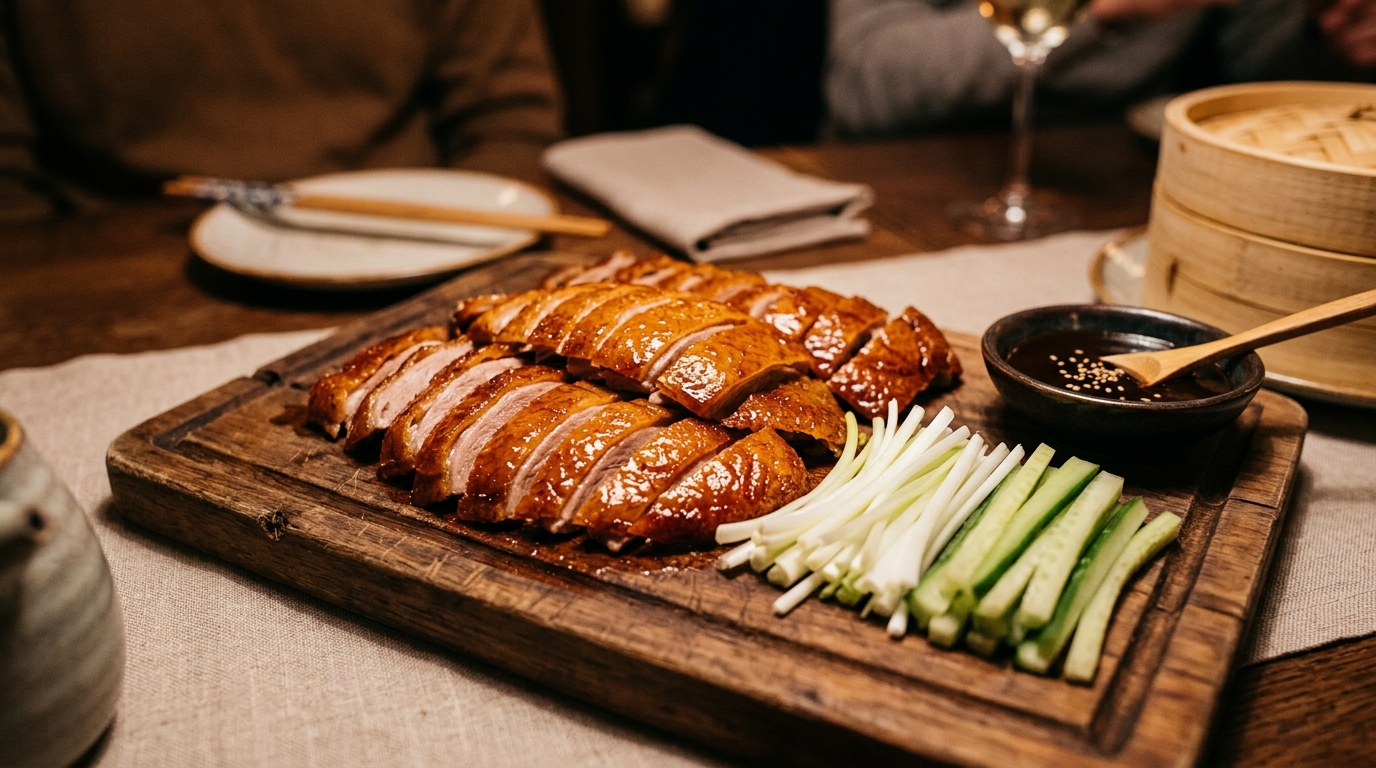
Yes, you can reheat duck, and it’s more forgiving than most poultry because of its higher fat content. The fat bastes the meat from within as it reheats, helping it stay moist where a lean chicken breast would dry out. The main distinction to make is between duck breast and duck confit (slow-cooked leg): they behave quite differently on reheating.
Can You Reheat Duck?
Yes. Cooked duck keeps in the fridge for three to four days in a sealed container. Duck confit stored under its own fat keeps for up to two weeks. Reheat to 75°C (165°F) throughout and do not reheat more than once. Duck skin loses its crispness quickly in the fridge as it absorbs moisture from the meat beneath, so restoring the skin is a key part of reheating well.
Reheating Duck Breast in the Oven
Duck breast was most likely served medium or medium-rare the first time. Reheating it to well-done dries it out significantly. The goal is to warm it through while keeping it pink and moist.
- Take the duck out of the fridge 15 minutes before reheating.
- Preheat the oven to 160°C (320°F).
- Place skin-side up in an oven-safe dish. Do not cover: you want the skin to dry out rather than steam.
- Heat for eight to twelve minutes, until just warm throughout. Check with a thermometer: 55 to 60°C in the centre is medium; 65°C is medium-well.
- If the skin is not yet crisp, place under a high grill for one to two minutes at the end.
Reheating Duck Confit
Confit legs are the most forgiving duck to reheat. The slow cooking process has already broken down the collagen, so the meat is rich and self-basting. A hot oven restores the crispy skin reliably.
- Preheat the oven to 200°C (390°F).
- Place the confit skin-side up in an oven-safe pan, preferably in a little of the duck fat it was stored in.
- Roast for 15 to 20 minutes until the skin is deep golden and crackling, and the meat is hot throughout.
Reheating Duck in a Pan
Good for duck breast and confit when you want maximum skin crispness.
- Place the duck skin-side down in a cold pan. Starting cold allows the fat to render gradually rather than seizing.
- Heat over medium-low heat for four to five minutes until the skin is golden and crispy.
- Flip and heat the meat side for one to two minutes to warm through.
- Rest for two minutes before serving.
Which Method Should You Use?
| Duck Type | Best Method | Time |
|---|---|---|
| Duck breast | Oven 160°C, uncovered, then grill | 10-14 min |
| Duck confit | Oven 200°C, skin up, in duck fat | 15-20 min |
| Either (crispy skin priority) | Cold pan, skin down, medium-low | 6-7 min |
Q: Whenever I go to the supermarket, I always see duck in the freezer aisle. I know how to cook duck, but reheating it has always been a mystery to me. It is a rather greasy meat, so what is the best way?

A: Duck is a heavier meat of fowl that is true, but reheating it is just the same. With most fowl, the oven will be the most reliable option as you can carefully control the temperature, and you can ensure it does not dry out.
The Oven Method
When using the oven, it is very important that you allow the duck to warm slowly. Preheat your oven to 300 degrees F. While your oven is warming, lightly grease an oven safe dish and spread the pieces out evenly. If you are layering or you have very thick pieces (such as the breast), it will take longer to warm through, and they need more space. Cover tightly with foil and place into the oven.
Bake for ten minutes, then uncover to allow the skin to crisp for the last 5-7 minutes of cooking. Remember that thicker pieces will need to be heated longer, so be sure to keep an eye out for any pieces that may be drying out.
The duck has long been avoided in many kitchens for the fear it takes too long to prepare. Now, with pressure cookers, slow cookers, or just a changing economy, duck is becoming more accessible for more families. No need to gorge on this delectable meal, reheating it is easy and simple using the oven. Make sure that the meat is steaming all the way through before consuming to lessen the chance of any food bore illness.
3 Responses to “Can You Reheat Duck?”
Read below or add a comment...
Trackbacks
[…] Can You Reheat Duck? […]
[…] Can You Reheat Duck? […]
[…] Can You Reheat Duck? […]